A guide to buying new from a developer in Netanya
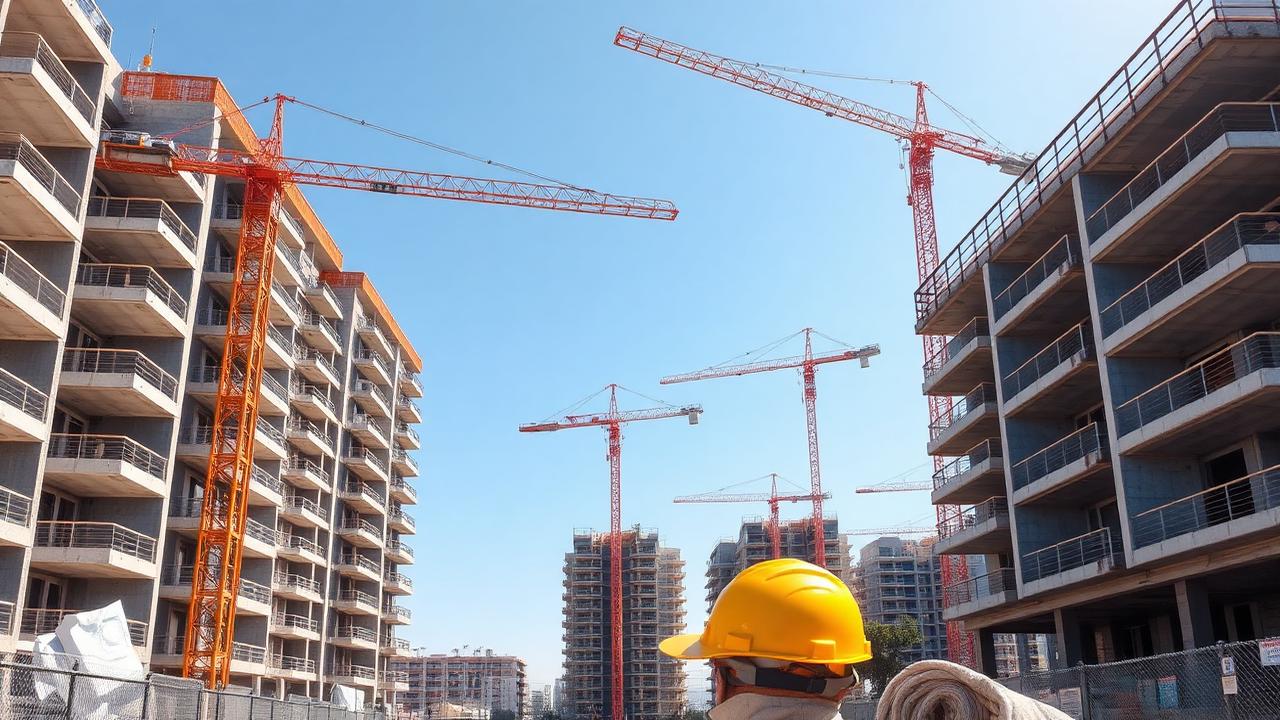
Buying from a developer is an entirely different transaction from buying second-hand. You are purchasing something that does not exist yet, based on plans and a specification. Here is what to check.
1. The developer, not just the project
Before looking at plans, examine the developer: which projects have they completed in Netanya and nearby, were they delivered on time, and what do residents of earlier projects say. Facebook groups of previous project residents are an efficient source.
2. Sale Law guarantee
This is the most important point. Under the Sale (Apartments) (Assurance of Investments) Law, every payment you make must be secured by a bank guarantee or insurance policy. Do not transfer a shekel without holding the guarantee. Verify the guaranteed amount matches exactly what you paid.
3. The payment schedule
The major advantage of buying new is paying in stages over years rather than all at once. Confirm payments are linked to the construction inputs index — this is standard, but understand the final price will exceed the contract price.
Calculate the indexation in advance. On a 2.5M NIS apartment over three years, it can add tens of thousands of shekels.
4. The technical specification
The specification is the legal document defining exactly what you receive — not the sales rendering. Read it line by line: flooring type, tile size, sanitary fittings brand, number of electrical points, door types.
Anything not in the specification is not promised.
5. Buyer modifications
Changes through the developer are almost always more expensive than doing the work yourself after handover. Conversely, structural changes (moving a wall, altering plumbing) are far cheaper during construction. The rule: structural changes with the developer, finish upgrades consider doing later.
6. Delivery date and delay compensation
The law provides compensation for delivery delays beyond a grace period. Check the contract for the grace period and the compensation mechanism, and do not rely on the brochure's estimated date.
Always plan with a buffer: if you are renting in the meantime, do not end your lease exactly on the promised handover date.
7. Snagging inspection before handover
Hire a professional inspector before signing the handover protocol. Defects recorded in the protocol are the developer's responsibility; undocumented defects are far harder to pursue.
8. Purchase tax
When buying new, purchase tax is calculated on the contract price. Verify current brackets and your status (single home / additional / foreign resident) with the Tax Authority before signing.
Bottom line
Buying new suits buyers with time to wait and patience for the process. It does not suit anyone who must move in within the year, or who cannot absorb a six-month delay. Either way — use a lawyer who represents you, not the developer.