Why Is Netanya Called Netanya? The True Story Behind the City's Name
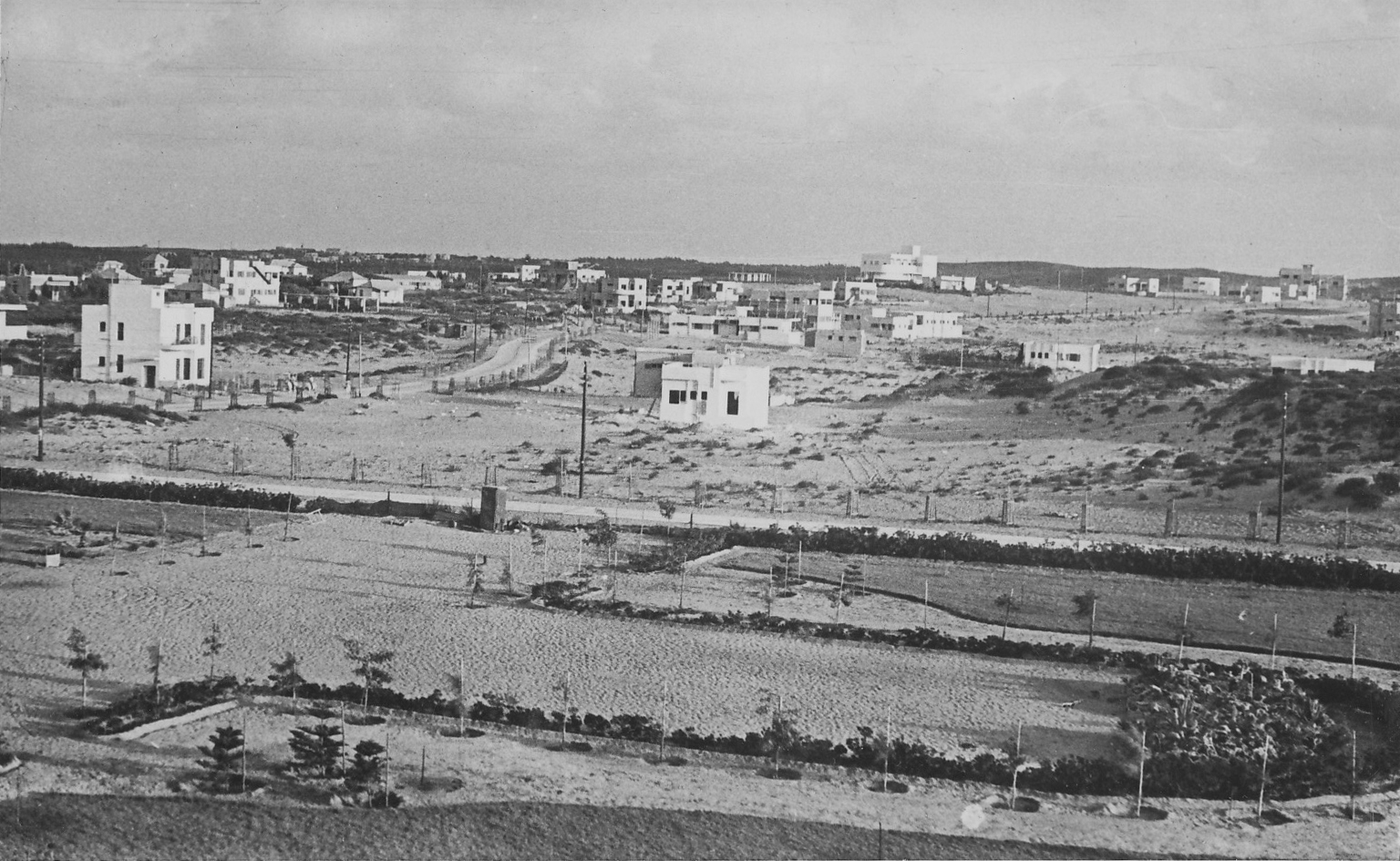
Less than a century ago, where the residential towers of Ir Yamim and the seafront promenade stand today, there were only sand dunes, citrus groves and open fields. The story behind the name "Netanya" is a documented one: a farmers' association, a single successful water well, and a Jewish philanthropist from New York who co-owned one of the world's largest retail chains.
1928: Buying the land near Umm Khalid
In 1928, the "HaNotea" company — the settlement arm of the Bnei Binyamin association (the sons of the veteran moshava farmers) — purchased roughly 1,400 dunams of sand and scrubland in the Sharon region, next to the Arab village of Umm Khalid. The initiative was led by Oved Ben-Ami, Gad Machnes and Baruch Ram.
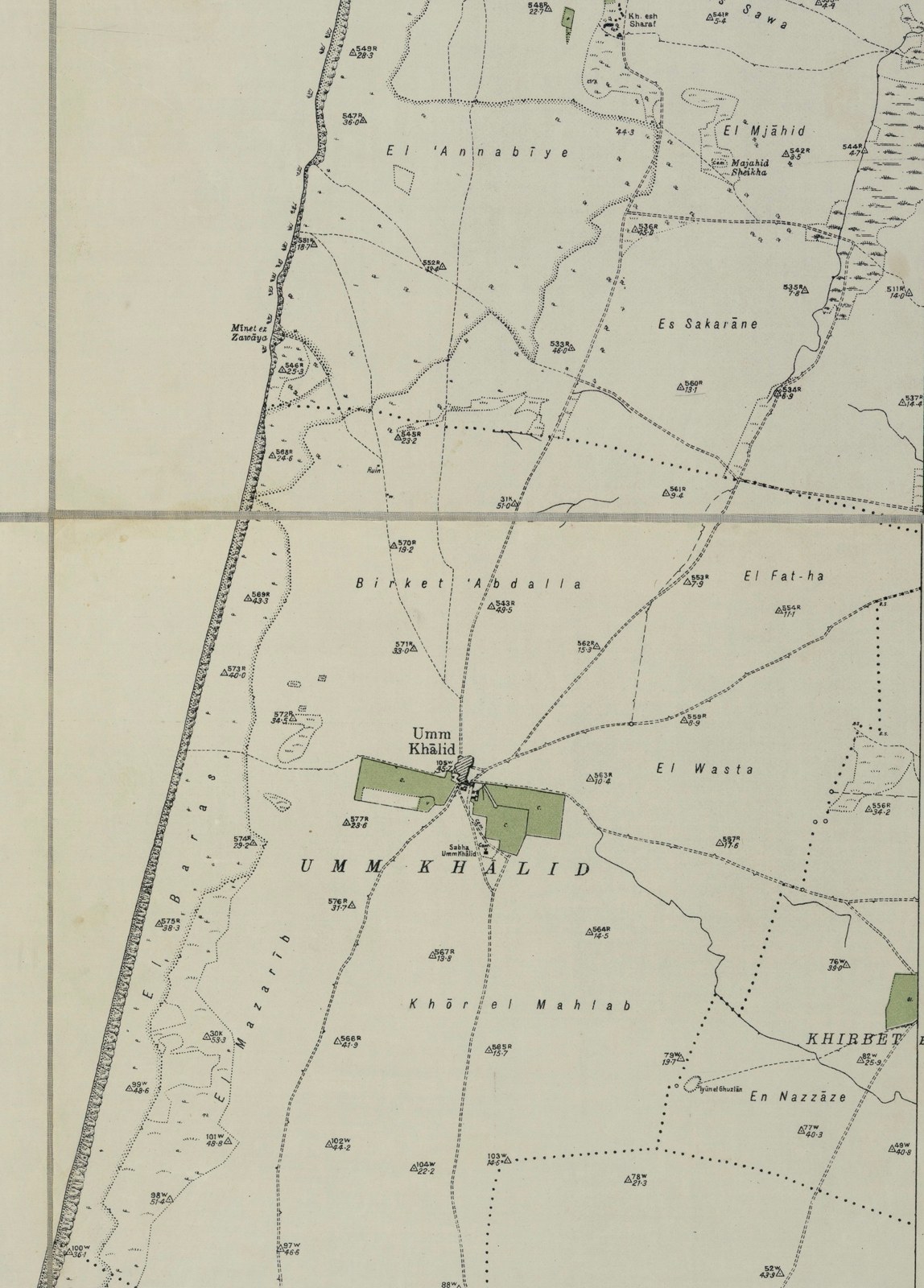
British Mandate Government survey map, Umm Khalid 1929, scale 1:20,000. Public domain.
The land was considered difficult: shifting dunes, no known water source, no paved road. The breakthrough came on 23 February 1929, when drillers struck fresh water. That date became the official founding day of the moshava.
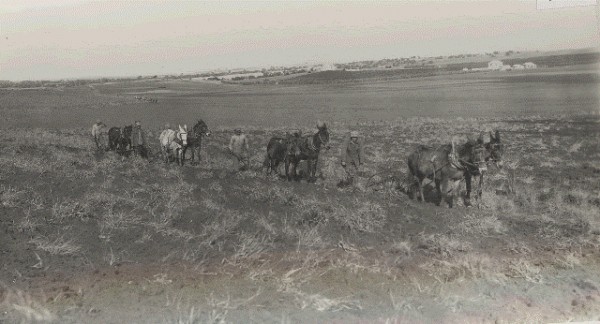
The first plowing of Netanya's soil, 18 February 1929. Photo: PikiWiki Israel collection, CC BY 2.5.
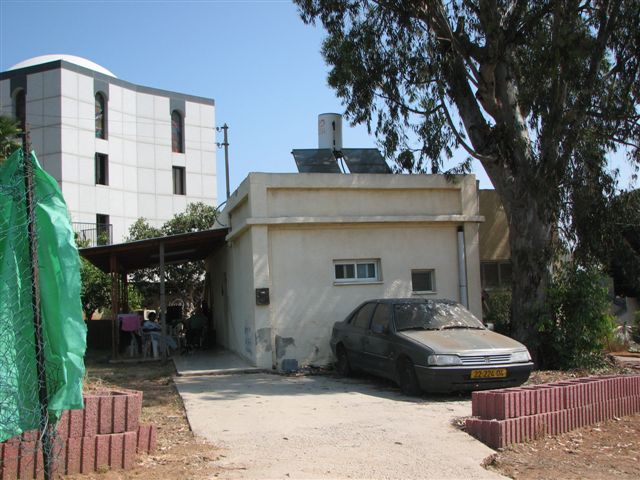
One of the houses of the village of Umm Khalid, still standing within Netanya. Photo: benben, Wikimedia Commons, CC BY-SA 2.5.
Nathan Straus: the philanthropist the city is named after
The name Netanya was given in honour of Nathan Straus — the Jewish-American businessman and philanthropist, co-owner of the Macy's department store in New York and of Abraham & Straus.
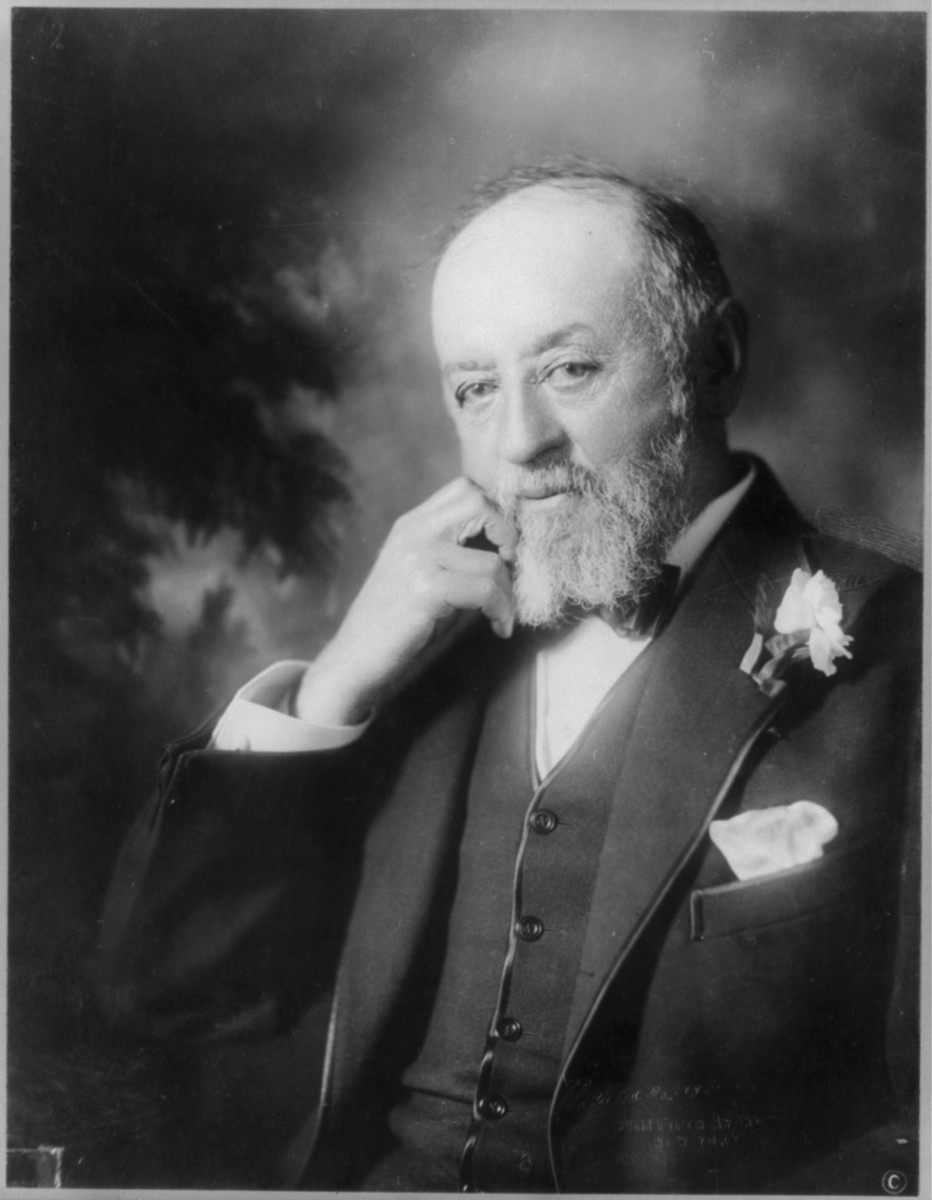
Nathan Straus, 1915. Library of Congress collection (LCCN96503939). Public domain.
Straus was best known for his charitable work: he established milk pasteurisation stations in New York that saved thousands of infants' lives, funded soup kitchens during crisis years, and was a major donor to health projects in Mandatory Palestine, including health centres in Jerusalem and Tel Aviv. He is estimated to have given the large majority of his personal fortune to philanthropy.
When the moshava was founded in late 1928, Straus was approaching his 80th birthday. Oved Ben-Ami proposed the biblical Hebrew name Netanya as a tribute to his first name, Nathan, and Straus was formally notified.
What actually happened with the donation
The founders hoped the gesture would also bring substantial funding for the new settlement. Straus responded with genuine emotion to the honour, but at that stage of his life — aged 80, in declining health, and having already distributed most of his fortune — he gave only a symbolic sum rather than a major grant.
The founders kept their word regardless, and the name Netanya remained. Nathan Straus died in January 1931, less than two years after the moshava was established.
Netanya or Natanya? Why both spellings exist
This is one of the most common questions among overseas buyers and tourists, and the answer comes straight from the origin of the name:
- Straus's first name in English is Nathan, and during the British Mandate period the town's name was frequently transliterated as Natanya, as it appears in documents, maps and official publications of the era.
- The official transliteration later standardised in Israel is Netanya, following the Hebrew vocalisation (נְתַנְיָה).
- Both spellings still appear today in tourist maps, international databases and Google searches — which is why overseas buyers sometimes get different results depending on the spelling they type.
From a citrus moshava to a coastal city
Development from there was rapid:
- 1930s: the moshava builds its economy on citrus, alongside a diamond-polishing industry that became one of the city's hallmarks.
- 1930s–40s: tourism develops along the coastal strip and the first hotels are built.
- 1948: Netanya is declared a city — among the first to receive that status after Israel's independence.
- Today: some 14 kilometres of beaches, kurkar cliffs, seafront promenades, and modern neighbourhoods such as Ir Yamim, Agamim and Nat 600.
From heritage to today's property market
Netanya's connection with Jewish communities abroad did not begin today — it is embedded in the city's very name. Families from France, Britain, the United States, Canada and Russia have been arriving here for decades, some to live, some to invest, and many looking for an apartment with a balcony facing the sea.
Netanya Properties by Avital Real Estate works with exactly these buyers: Israeli residents and overseas purchasers looking for property in Netanya, with personal guidance in Hebrew, English, French and Russian, full transparency throughout the process, and detailed knowledge of every neighbourhood in the city.